
You finish your skincare, apply sunscreen, wait a little, reach for your foundation and suddenly… tiny product flakes start rolling across your face. Your base looks patchy, your T-zone is getting shiny, and the sunscreen that looked perfectly fine five minutes ago has become the villain of your makeup routine.
Sound familiar?
Sunscreen under makeup has become a surprisingly frustrating part of everyday beauty routines. In an October 2026 discussion on Reddit’s Indian beauty community, users shared how some sunscreens make their makeup sit beautifully while others leave their faces feeling greasy. Another conversation questioned why finding a sunscreen that doesn’t pill or turn shiny in Indian weather feels so difficult.
And honestly, this deserves more attention than another sunscreen recommendation list.
1. Sunscreen Under Makeup: Why Does Your Base Suddenly Start Pilling?
Here’s the thing: a sunscreen working well on bare skin doesn’t automatically mean it’ll work well underneath foundation.
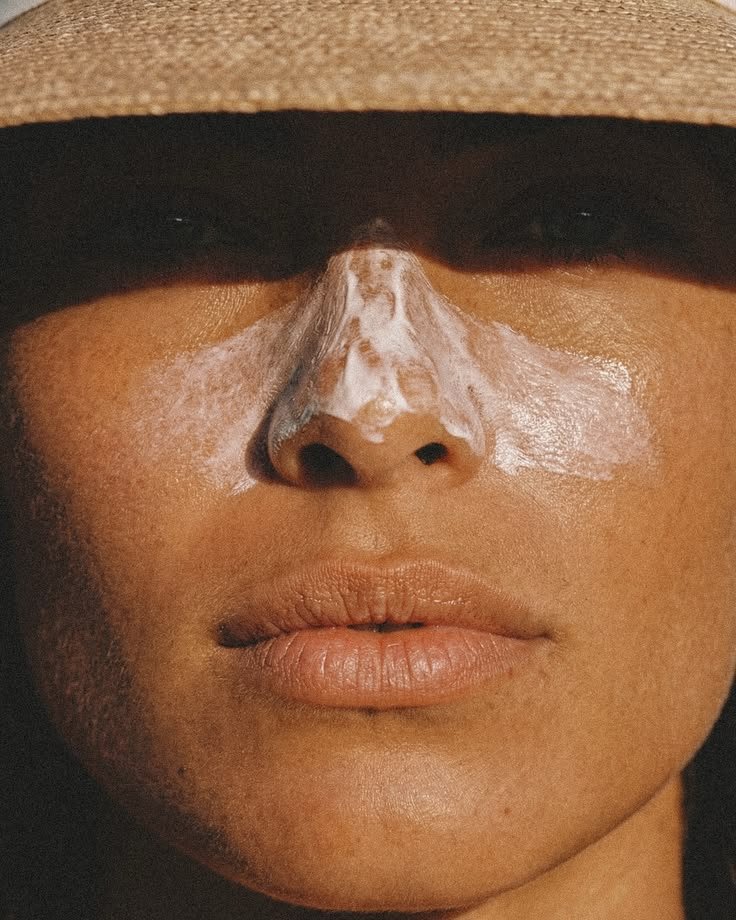
Pilling happens when products roll into little flakes or balls instead of forming a smooth layer. It can happen because of several things: too many skincare layers, incompatible formulations, excess product, or repeatedly rubbing one layer over another.
Imagine applying a rich moisturiser, followed by a silicone-heavy sunscreen, then a primer and a full-coverage foundation. Every product might work perfectly on its own, but the combination may not behave as expected.
Indian weather adds another complication. Heat, humidity and sweat can make an already uncomfortable finish feel heavier, particularly if your skin tends to get oily.
The fix isn’t automatically buying another product. Try simplifying your morning routine first. Use only the moisturiser your skin needs, apply sunscreen evenly, allow it to settle, and gently press your makeup on rather than aggressively rubbing it across your face.
If the problem continues, experiment with changing one layer at a time. That way, you can actually identify what’s causing the pilling instead of replacing your entire skincare shelf.
2. The Best Sunscreen for Oily Skin in India Isn’t Just About a Matte Finish
Let’s talk about the obsession with matte sunscreen.
If you have oily or combination skin, a lightweight gel, fluid or satin-finish formula might feel more comfortable than a heavy cream. But here’s where things get interesting: matte doesn’t automatically mean makeup-friendly, and lightweight doesn’t automatically mean non-pilling.
The formulation matters, but so does how it interacts with your moisturiser, primer and foundation.
A few things worth checking before choosing a sunscreen for makeup:
Texture: Does it spread evenly without feeling excessively heavy?
Finish: Does your skin feel comfortable after application, rather than tight or overly greasy?
White cast: Does it blend naturally into your skin tone?
Layering: Does it sit comfortably with the other products you actually use?
And don’t assume chemical sunscreens always work better under makeup than mineral ones. Both can layer well. The complete formulation and your existing routine matter more than one ingredient category.
The Indian Sunscreen Forum’s dermatologist consensus also highlights cosmetic acceptability, affordability, skin type and climate as important considerations when choosing sunscreen. In other words, protection matters, but a formula you can comfortably wear matters for consistent use too.
3. How to Apply Sunscreen Before Makeup Without Ruining Your Base
Before blaming your sunscreen, give your routine a little troubleshooting.
Try this order:
Cleanse your face and apply your usual skincare.
Apply moisturiser if your skin needs it.
3.Apply a generous, even layer of broad-spectrum SPF 30 or higher sunscreen.
4.Give the sunscreen time to settle according to its product instructions.
5.Apply primer only if you need it, followed by foundation using gentle pressing motions.
One important reminder: don’t reduce the amount of sunscreen just to make your foundation look smoother. The protection you get depends on applying enough product.
And no, foundation or concealer with SPF shouldn’t replace your regular sunscreen. Most people don’t apply makeup in the quantity required to achieve the SPF printed on its packaging.
4. Reapplying Sunscreen Over Makeup: The Part Nobody Wants to Figure Out
Your morning sunscreen application isn’t a permanent shield.
If you’re spending time outdoors, sunscreen needs to be reapplied, generally every two hours, and after swimming, excessive sweating or wiping your skin. But reapplication advice should account for actual sun exposure and whether your sunscreen has been removed.
The Indian Sunscreen Forum’s consensus recommends reapplication after swimming, excessive sweating or wiping. It also notes that if an adequate initial amount has been applied and the sunscreen hasn’t been removed, automatic reapplication within eight hours may not always be necessary. https://pmc.ncbi.nlm.nih.gov/articles/PMC12439021/
What about sunscreen sprays?
They’re convenient, but convenience doesn’t guarantee even coverage. Spray products should be applied according to their instructions, and some guidance recommends spraying into your hands before spreading the product to avoid inhalation. Don’t assume a quick mist over your face automatically provides adequate protection.
The Peel Off Press verdict?
Your sunscreen and your makeup shouldn’t have to fight for space on your face. You don’t need a ten-step morning routine or an entirely new collection of products. You need a sunscreen that provides appropriate protection, suits your skin and fits into a routine you can actually maintain.
Because the best sunscreen isn’t the one that looks perfect in a GRWM video. It’s the one you can wear consistently, without feeling like your foundation is filing a complaint.
Now tell us: what’s your biggest sunscreen-under-makeup struggle — pilling, white cast, greasiness or reapplication?